Algorithm Integration Across Sports Fuels Multi-Event Betting in Global Markets
Written by Alex Krüger · Nov 3, 2026
Algorithm Integration Across Sports Fuels Multi-Event Betting in Global Markets
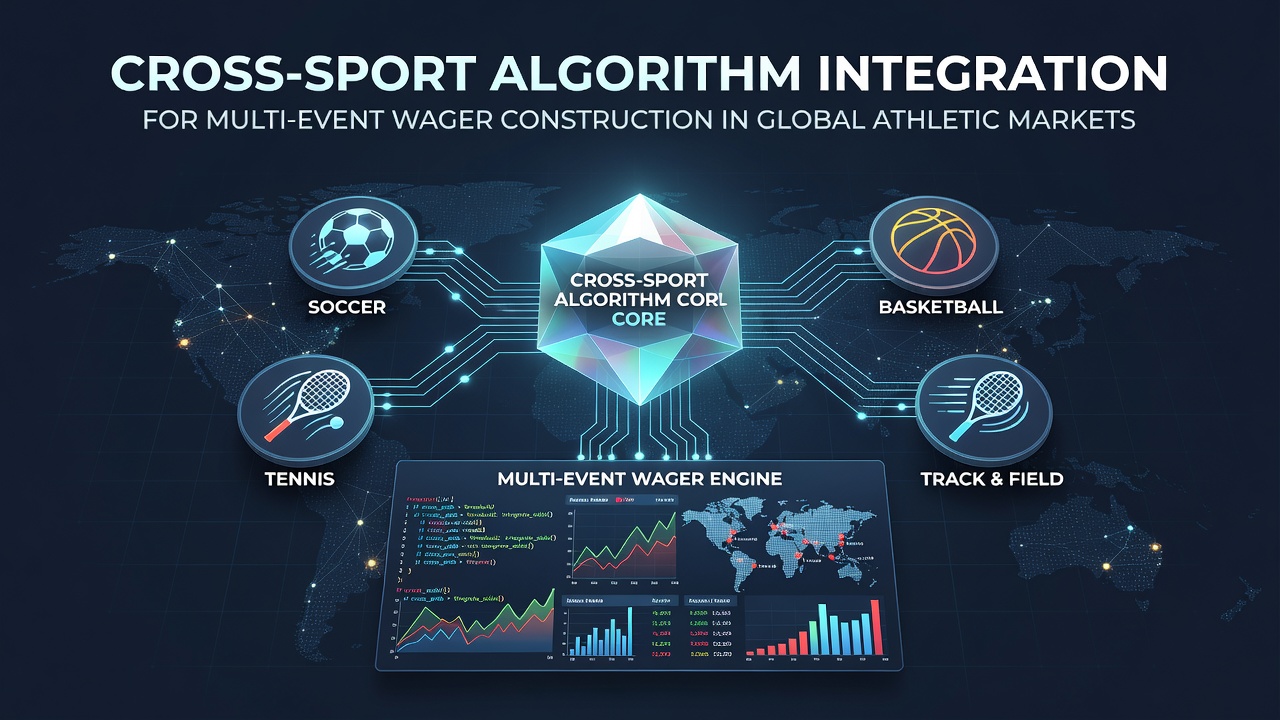
Cross-sport algorithm integration combines statistical models from multiple athletic disciplines to construct multi-event wagers that span soccer pitches, tennis courts, horse racing tracks, and basketball arenas, and data from these varied sources feeds into unified prediction engines used by operators in international markets. Researchers at institutions studying global gaming patterns note that such systems process variables including player performance metrics, historical head-to-head records, venue conditions, and seasonal schedules to generate accumulator structures with adjusted probabilities.
Data Sources and Model Construction
Algorithms pull real-time and archived information from soccer leagues across Europe and South America alongside tennis Grand Slam circuits and thoroughbred racing calendars in North America and Asia, while basketball statistics from professional leagues add another layer of input for point spread and total projections. These models apply machine learning techniques to identify correlations that single-sport systems overlook, such as how fatigue patterns in one sport might influence participant availability in overlapping events during compressed schedules. Observers note that integration occurs through standardized data pipelines where each sport's unique metrics convert into comparable formats before entering the core calculation layer.
Engineers design the systems to recalibrate odds dynamically as new information arrives, for instance when weather shifts affect both outdoor tennis matches and horse racing surfaces on the same day. This approach allows wager constructors to link legs across disciplines while maintaining internal consistency in risk assessment. Studies from academic centers focused on quantitative sports analysis indicate that multi-variable models achieve higher precision when trained on datasets spanning at least three distinct athletic categories rather than isolated single-sport histories.
Implementation in Global Markets
Operators in regions including Australia, Canada, and parts of the European Union deploy these integrated platforms to offer accumulator products that draw from simultaneous events worldwide, and regulatory filings show increased volume in such offerings during periods when major calendars overlap. In November 2026, for example, late-season soccer fixtures coincide with indoor tennis tournaments and early basketball campaigns, creating windows where algorithms can identify cross-sport value combinations that traditional single-discipline tools miss. Market data reveals that participants in these jurisdictions use the resulting selections for structured multi-leg wagers that distribute exposure across different athletic outcomes.

According to reports published by the Australian Gambling Research Centre, integrated systems help operators manage liability across diverse event types by balancing high-variance legs with more stable statistical anchors drawn from other sports. This geographic spread of data inputs also supports compliance with varying jurisdictional rules on wager types, since algorithms can filter available combinations according to local licensing conditions without manual intervention.
Technical and Regulatory Considerations
Developers address latency issues by maintaining parallel processing streams that update individual sport modules independently before merging results into the final accumulator matrix, and testing protocols confirm that synchronization errors drop when each module operates on its own optimized architecture. Those who have examined these frameworks point out that security measures include encryption of proprietary correlation coefficients and access controls that limit exposure of the underlying integration logic to authorized personnel only.
Regulatory bodies in multiple jurisdictions require operators to document how cross-sport algorithms arrive at probability figures, particularly when promotional materials highlight potential payouts from combined events. The National Council on Problem Gambling has referenced similar technological practices in its ongoing monitoring of responsible gaming tools, noting that transparent model documentation supports player education initiatives. Observers report that November 2026 schedules, which include overlapping international competitions, will test the scalability of these systems under sustained high-volume conditions.
Conclusion
Cross-sport algorithm integration continues to expand the technical foundation for multi-event wager construction across global athletic markets by merging disparate datasets into coherent prediction frameworks. Market participants and operators alike rely on these tools to navigate complex calendars that feature concurrent events from soccer, tennis, horse racing, and basketball, while regulatory oversight focuses on documentation and player protection standards. As data collection methods improve and processing speeds increase, the scope of integrated models will likely broaden to include additional athletic categories and finer-grained variables in coming cycles.