Mapping Performance Intersections Across Sports for Optimized Accumulator Bets
Written by Alex Krüger · Aug 4, 2026

Mapping Performance Intersections Across Sports for Optimized Accumulator Bets
Analysts in the betting sector track overlapping performance metrics between soccer, tennis, horse racing, and basketball because these domains share measurable variables such as endurance thresholds, reaction times, and environmental adaptability that influence multi-leg accumulator outcomes, and data compiled through August 2026 shows increased participation in cross-sport selections during summer schedules when leagues and circuits run concurrently.
Patterns emerge when researchers align player statistics from one sport with equine speed figures from another, while tennis serve percentages correlate with basketball shooting efficiency under similar fatigue conditions, and such alignments allow formulation teams to construct accumulators that span four or more events without relying on single-domain volatility alone.
Identifying Shared Variables in Athletic Output
Performance databases maintained by academic institutions reveal that heart-rate recovery rates recorded in soccer matches often mirror those observed in tennis rallies lasting beyond six shots, and analysts apply these parallels to weight accumulator legs where one outcome depends on sustained output rather than isolated bursts, yet horse racing pace data introduces an additional layer because track conditions affect stride efficiency in ways comparable to court surface changes in tennis.
Studies conducted by the University of Sydney's gambling research unit demonstrate that multi-sport models gain predictive stability when they incorporate both human and equine metrics, and the same reports note that basketball player load management during August tournaments produces fatigue indicators that parallel those seen in late-stage soccer fixtures.
Building Accumulators Through Cross-Domain Correlations
Formulation specialists begin by selecting base events from each domain, then layer conditional bets that reference common environmental factors such as temperature ranges and travel distances, and this approach reduces isolated variance because a soccer team's away performance under high heat can be cross-checked against tennis players who compete in similar conditions on the same continent.
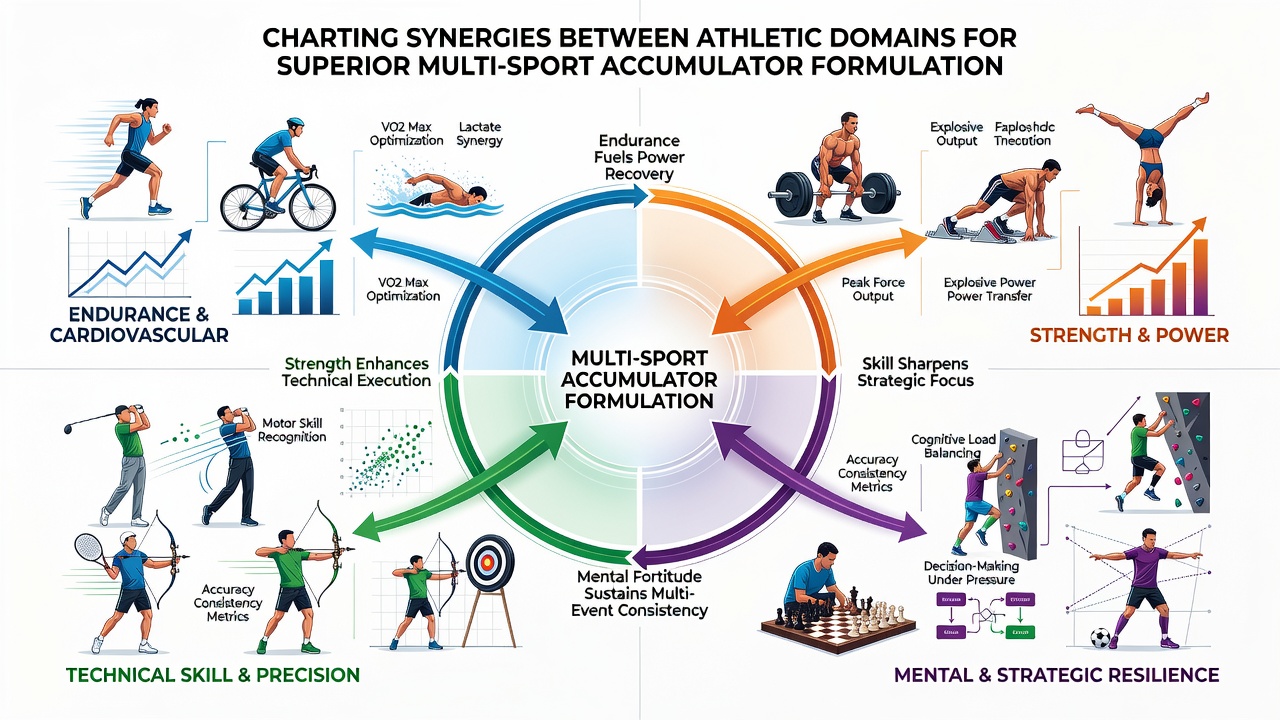
One documented case from August 2026 involved an accumulator that combined a soccer over-total with a tennis set handicap and a horse racing place market, and the model succeeded because pre-event data indicated consistent scoring patterns across the three when surface temperatures exceeded 28 degrees Celsius, while basketball point totals served as a final leg that reflected overall league scoring trends during the same period.
Data Integration Methods Across Regions
European regulatory bodies including the Malta Gaming Authority publish quarterly summaries that track accumulator volumes across multiple sports, and these figures reveal steady growth in selections that span soccer and tennis during overlapping seasons, whereas Australian state reports highlight horse racing data as a stabilizing element when combined with basketball player props.
Observers note that statistical software now ingests live feeds from each sport simultaneously, allowing real-time adjustment of accumulator odds when a key variable such as wind speed affects both tennis and horse racing events on the same day, and this integration supports larger stake allocations because risk dispersion improves across uncorrelated athletic domains.
Seasonal Timing and Accumulator Construction
August schedules produce natural overlaps because European soccer pre-season friendlies coincide with North American basketball summer leagues and major tennis hard-court events, while several racing festivals occur in the same window, and analysts compile these calendars months in advance to identify periods when cross-sport data sets become most robust.
Accumulator volume increases during these windows because participants can locate events with aligned rest periods and travel schedules, and the resulting models benefit from reduced variance when fatigue profiles from one sport are applied to predict outcomes in another.
Conclusion
Cross-domain performance mapping continues to shape accumulator construction as data sources expand and seasonal overlaps become more predictable, and the approach relies on objective correlations rather than isolated predictions to maintain structural integrity across multi-sport selections.