When Seasons Collide: Layered Selection Strategies Across Football, Racing, and Tennis in Peak Overlap Periods
Written by Viktor Krüger · Aug 22, 2026
When Seasons Collide: Layered Selection Strategies Across Football, Racing, and Tennis in Peak Overlap Periods
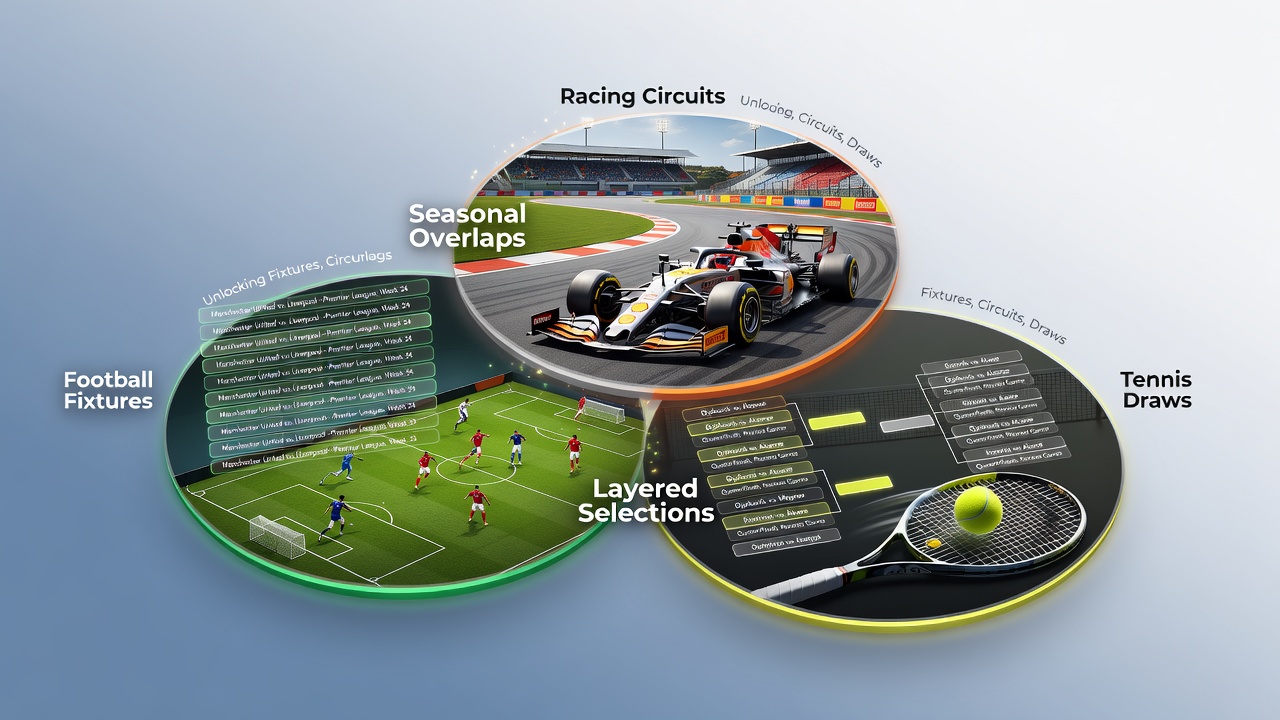
August 2026 brings a notable convergence of major sporting calendars that creates opportunities for layered selections spanning football fixtures, racing circuits, and tennis draws. The English Premier League season opens early in the month while continental European leagues resume around the same period, horse racing meets shift into their late-summer phase across multiple jurisdictions, and the US Open tennis tournament occupies the final weeks of August into September. Observers note that these simultaneous schedules allow selections to draw from distinct performance variables that rarely align at other times of the year.
Football Calendar Patterns in August
League restarts introduce fresh squad compositions, new managerial approaches, and variable pitch conditions after the summer break. Data from previous seasons shows elevated goal tallies in opening weekends across several top divisions, yet home advantage metrics remain stable according to records maintained by European football federations. Layered selections often incorporate early-season matchups alongside later August fixtures where fatigue from European competition begins to appear in squad selections. Researchers tracking fixture congestion have documented how midweek Champions League qualifiers intersect with domestic schedules, producing measurable shifts in rotation patterns that affect both team totals and individual player output statistics.
Racing Circuit Developments During the Same Window
Horse racing calendars in August feature a transition from summer ground conditions toward firmer autumn surfaces at many tracks. Meetings in Britain, Ireland, France, and Australia run concurrently, offering daily programmes that include both sprint and staying races. Form analysts track how horses returning from breaks perform against those that have maintained summer campaigns, while trainer statistics reveal patterns in strike rates during this transitional period. Selections that layer racing outcomes with football results frequently focus on races where pace biases emerge due to track reconfiguration or weather shifts, creating independent variables that complement football data sets.
Tennis Draw Dynamics in Late Summer
The US Open draw in August 2026 overlaps directly with the football season start and ongoing racing fixtures. Hard-court specialists encounter varying conditions as temperatures fluctuate in New York, while scheduling quirks place certain players in consecutive late-evening matches. Performance databases maintained by the ATP and WTA show that players with strong opening-round records in the tournament often carry momentum into second-week matches, yet fatigue metrics rise sharply for competitors who also contested the preceding Canadian and Cincinnati events. Layered selections incorporating tennis outcomes therefore reference both surface-specific statistics and recovery windows between matches.
Constructing Layered Selections Across Disciplines
Those who study multi-sport combinations identify several structural advantages when August calendars intersect. Independent variables from each sport reduce correlation risks that appear when selections remain within a single discipline. A football accumulator component can pair with a racing bet on a specific meeting and a tennis match outcome without sharing common risk factors such as weather impacts on a single venue or squad news from one league. Statistical services tracking these combinations report that variance increases when selections span different sports, although payout structures adjust accordingly. One analysis from an Australian research institute highlighted how cross-sport layering alters bankroll allocation patterns compared with single-sport approaches.
Data Sources and Tracking Methods
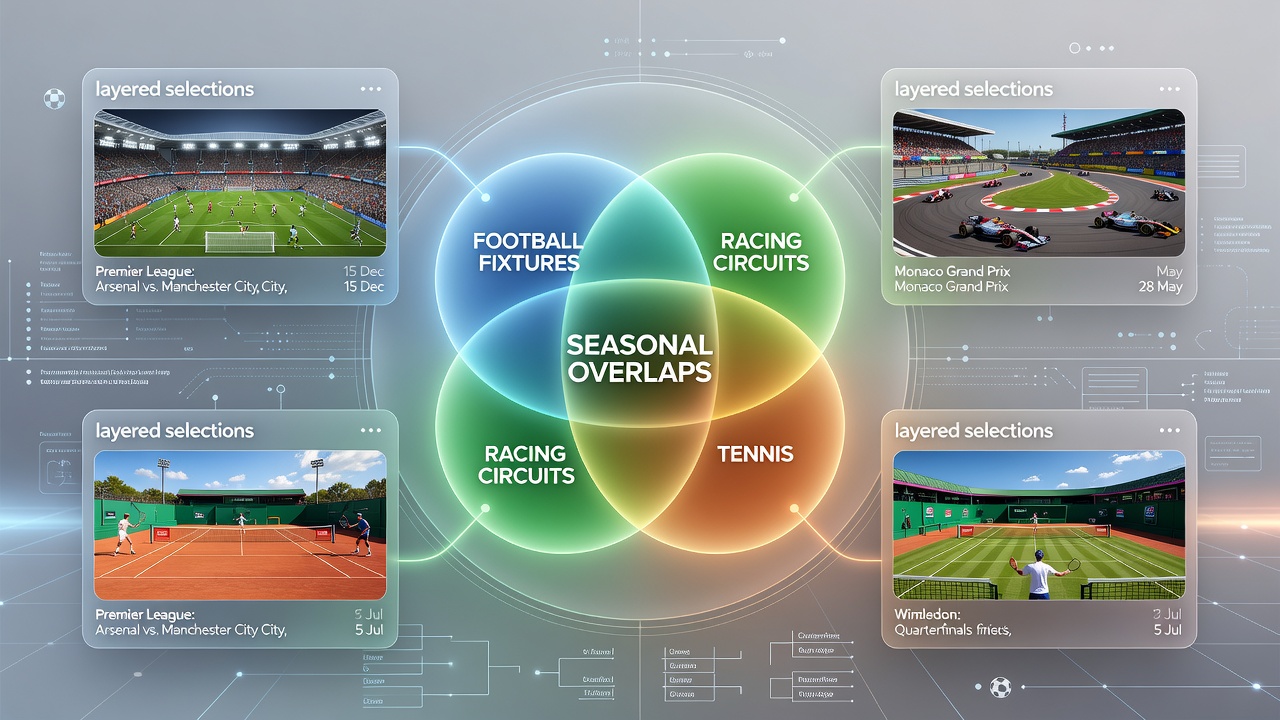
Industry reports compiled by the European Gaming and Betting Association provide aggregate figures on multi-leg product participation across European markets. Separate studies from Canadian academic researchers have examined how bettors adjust stake sizing when selections cross sporting codes during periods of high fixture density. These datasets remain separate from individual operator records and focus on broader behavioural patterns rather than specific outcomes. Observers tracking August 2026 calendars note that the simultaneous availability of Premier League opening weekends, major racing festivals, and Grand Slam tennis creates a concentrated window for such layered approaches.
Regulatory Context Surrounding Multi-Sport Products
Government agencies in several jurisdictions publish quarterly data on sports betting volumes. Australian state regulators release figures that sometimes capture spikes during overlapping international sports calendars, while similar disclosures from North American gaming control boards track participation in combined football and tennis markets. These reports focus on transaction volumes and market share rather than individual selection strategies. Industry associations representing betting operators have published guidelines on responsible presentation of multi-leg products, emphasising clear disclosure of odds compilation methods.
Conclusion
August 2026 presents a concentrated period where football, racing, and tennis calendars overlap in ways that support layered selection construction. The distinct performance variables across these disciplines allow combinations that draw from separate datasets and risk profiles. Available statistical resources from regulatory bodies and research institutions document participation patterns during similar calendar alignments in prior years. Those constructing selections during this window reference fixture lists, form databases, and scheduling records from each sport to identify independent components. The structural characteristics of the August calendar therefore create conditions under which multi-discipline approaches operate alongside single-sport selections.